Faculty Profiles
Joshua M. Ackerman
 Faculty Associate, RCGD, ISR
Associate Professor, Social Psychology
More about Joshua M. Ackerman
Julie Ober Allen
 Adjunct Faculty Associate, RCGD, ISR
More about Julie Ober Allen
Scott Atran
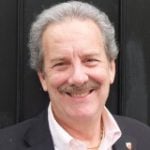 Adjunct Research Scientist, Research Center for Group Dynamics, ISR;
Adjunct Research Professor, Public Policy, Gerald R Ford School of Public Policy
More about Scott Atran
Phillip Bowman
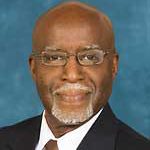 Faculty Associate, Research Center for Group Dynamics, ISR;
Professor, Center for the Study of Higher and Postsecondary Education
More about Phillip Bowman
Eugene Burnstein
 Senior Research Scientist Emeritus, RCGD, ISR;
Professor Emeritus of Psychology, LSA
More about Eugene Burnstein
Cleopatra Howard Caldwell
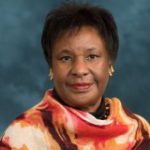 Faculty Associate, RCGD, ISR;
Chair and Professor, Department of Health Behavior and Health Education, SPH;
Adjunct Professor of Psychology, LSA
More about Cleopatra Howard Caldwell
Jesse Chandler
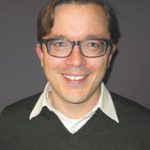 Adjunct Faculty Associate, RCGD, ISR
More about Jesse Chandler
Yan Chen
 Research Professor, RCGD, ISR;
Daniel Kahneman Collegiate Professor of Information, SI
More about Yan Chen
- User-generated content in online communities
- Online microfinance
- School choice. Teaching interests are in the area of experimental economics, information economics, and user-generated content
Sonya Dal Cin
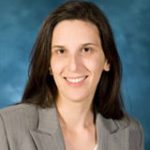 Research Professor, RCGD, ISR;
Professor of Communication and Media,
Adjunct Associate Professor of Psychology, LSA
More about Sonya Dal Cin
My work has appeared at national and international conferences, and has been published in journals including Addiction, the American Journal of Preventive Medicine, Archives of Pediatrics and Adolescent Medicine, Health Psychology, Journal of Health Communication, Journal of Neuroscience, Psychological Science, Psychology of Popular Media Culture, and Tobacco Control.
Matthew Diemer
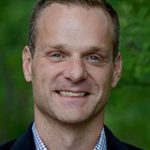 Faculty Associate, RCGD, ISR;
Professor of Education, SoE;
Professor of Psychology, LSA
More about Matthew Diemer
Meagan Docherty
 Adjunct Faculty Associate, RCGD, ISR
More about Meagan Docherty
Research Interests:
- The development of problem behaviors, including aggression and violence, from childhood to young adulthood
- Coping and exposure to violence, abuse, trauma, and crime
- The development of callousness (i.e., the lack of guilt, empathy, emotional expression, concern, and psychopathy)
- Adolescent delinquency and young adult offending, particularly gun carrying, drug dealing, and gang involvement
- Family, peer, school, and neighborhood influences on youth behavior
Christine Dunkel Schetter
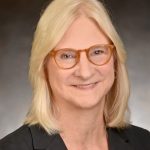 Adjunct Research Professor, RCGD, ISR;
Distinguished Research Professor, UCLA
More about David Dunning
Christine Dunkel Schetter is a Distinguished Professor of Psychology and Psychiatry at UCLA, where she runs the Stress Processes in Pregnancy Lab.
There, Prof. Dunkel Schetter and her students and collaborators conduct research on biopsychosocial processes in pregnancy. A primary focus is on prenatal maternal stress conceptualized as environmental exposures (acute events and chronic conditions), emotional responses (anxiety and depression), and appraisals (perceived stress) and testing the effects on maternal outcomes including preterm birth, postpartum depression and offspring outcomes in infancy and early childhood. Preterm birth and postpartum depression are high incidence in the U.S. and globally, and pose many risks to the physical and mental health of individuals and families. The program of work further focuses on psychological and biological mechanisms and broad risk and psychosocial resilience factors.
This work involves prospective longitudinal studies of thousands of pregnant women of diverse race and ethnicity and socioeconomic status including studies of low-income populations and Latin American and African American women interviewed in person in English or Spanish. The importance of race/ethnicity in our work has led to programmatic research on racial stressors such as racism and discrimination and cultural resources such as familism to fully understand the biopsychosocial processes involved. A long-standing emphasis on social and personality processes includes studies on social support, relationship quality, and other concepts such as self-esteem, mastery and dispositional optimism.
Dr. Dunkel Schetter et al have documented that prenatal anxiety, defined as anxiety about a current pregnancy, reliably predicts length of gestation and that HPA mechanisms especially corticotropin-releasing hormone of placental origin (pCRH) are involved in the pathways linking pregnancy anxiety to earlier birth. The lab has also studied maternal and offspring cortisol with blood, saliva and hair samples and examined immune mechanisms, among others. This program of work has implications for preventive interventions and translational work has been undertaken.
David Dunning
 Faculty Associate, RCGD, ISR;
Professor of Psychology, LSA
More about David Dunning
Robin Edelstein
 Faculty Associate, RCGD, ISR
Associate Professor of Psychology, University of Michigan
More about Robin Edelstein
Phoebe Ellsworth
 Faculty Associate, Research Center for Group Dynamics, ISR;
Frank Murphy Distinguished Professor of Law and Psychology, Professor of Law, Law School;
Professor of Psychology, LSA
More about Phoebe Ellsworth
Emily Falk
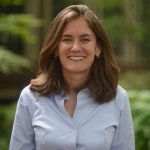 Adjunct Faculty Associate, Research Center for Group Dynamics, ISR;
More about Emily Falk
Stephen M. Garcia
 Adjunct Faculty Associate, Research Center for Group Dynamics, ISR;
Associate Professor of Organizational Studies, Associate Professor of Psychology, LSA
More about Stephen M. Garcia
Website: Stephen M Garcia home page
Raven Garvey
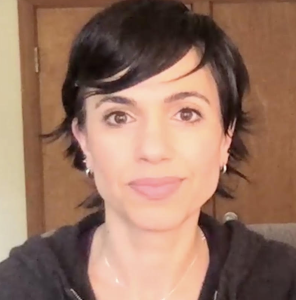 Faculty Associate, Research Center for Group Dynamics, ISR;
Associate Professor of Anthropology; Associate Curator, Museum of Anthropological Archaeology
More about Raven Garvey
I study the influences of ecological, demographic, and social factors on Holocene hunter-gatherers’ behaviors and broader cultural change through time. My current field projects in farthest southern South America–Patagonia–combine archaeological data with evolutionary modeling to address questions at the intersection of human behavioral ecology and cultural transmission theory. My current lab-based projects are designed to test and develop models of cultural transmission and technological evolution, and I was recently awarded a fellowship from the Andrew W. Mellon Foundation (2022-2023) to train in engineering and explore the the effects of wind on hunter-gatherers’ livelihoods and technologies. Please visit my home and Academia.edu pages for more information.
Amie Gordon
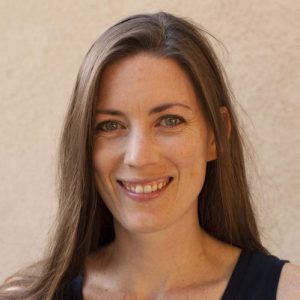 Faculty Associate, Research Center for Group Dynamics, ISR;
Assistant Professor of Psychology, LSA
More about Amie Gordon
Sol Hart
 Faculty Associate, Research Center for Group Dynamics, ISR;
Associate Professor of Communication Studies, Associate Professor of Environment, LSA
More about Sol Hart
Arnold K. Ho
 Faculty Associate, Research Center for Group Dynamics, ISR;
Associate Professor of Psychology, LSA
More about Arnold K. Ho
Mosi Ifatunji
 Adjunct Faculty Associate, Research Center for Group Dynamics, ISR;
Assistant Professor, Department of African American Studies and Sociology, University of Wisconsin-Madison
More about Mosi Ifatunji
Ifatunji’s primary research interests are in racial and ethnic theory and the methodologies used to study inequality and stratification. He is particularly interested in theorizing how non-phenomic characteristics contribute to racial classification and stratification. While most theories of race are based on assigning racialized meanings to people and populations according to perceived differences in skin color, hair texture and/or bone structure, he argues that racial classification often turns on non-phenomic characteristics, including language, religion, and geography. For instance, the U.S. Census Bureau recently recommended that we change our racial classification of immigrants from countries like Syria and Egypt from White to “Middle Eastern and North African.” For decades, proponents of this change have offered various rationales, but none of them reference phenomics. Therefore, he believes that; since non-phenomic characteristics contribute to the process of assigning racialized meanings to people and populations, we must revise the ontologies and theories that social scientists most often use when studying race and ethnicity. He is advancing this view by studying the ways in which African Americans and Black immigrants are racialized differently in the United States. His research draws on mostly quantitative methods, including: large-scale surveys, linked administrative data, social experiments, advanced statistics, and historiography.
For more information, please see his faculty profile here.
Jerome Johnston
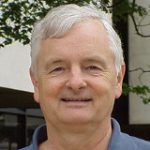 Research Professor Emeritus, Research Center for Group Dynamics, ISR;
Research Professor Emeritus, Educational Studies, School of Education
More about Jerome Johnston
Anthony P. King
 Adjunct Faculty Associate, RCGD, ISR
More about Anthony P. King
- Posttraumatic Stress Disorder, and other trauma-related disordersMajor Depression
- Mindfulness-based Cognitive Therapy (MBCT)
- Mind-Body Interventions for Anxiety and Trauma
- Self-Compassion in treatments for Depression and Anxiety
- Neurobiology and Neuroimaging of PTSD
- Genetics of PTSD, and Gene x Environment Interaction in Psychiatric Risk and Resilience
- Neurocircuitry of Cognitive-Emotional Regulation
- Neuroimaging of Mindfulness-based Interventions and Meditation
Sara Konrath
 Adjunct Faculty Associate, Research Center for Group Dynamics, ISR
More about Sara Konrath
Dr. Konrath writes a popular Psychology Today blog (The Empathy Gap) and is regularly featured in media outlets, including the New York Times, Time Magazine, NPR radio, and BBC news. Her forthcoming book is called Culture of Burnout: American life in an age of increasing expectations (Oxford University Press). She is currently a Visiting Professor at the Notre Dame Institute for Advanced Study (2020-2021).
Ethan Kross
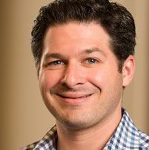 Faculty Associate, Research Center for Group Dynamics, ISR;
Professor of Psychology, LSA
More about Ethan Kross
Because emotions are relevant to nearly every sub-discipline of psychology, my work sits on the boundaries of multiple areas of research (e.g. social-personality, clinical, cognitive-neuroscience, developmental). I integrate across these areas both in terms of the types of questions I ask and in the methods I use to address them. For example, my work brings together experiments that isolate causal mechanisms with longitudinal studies that examine how psychological processes unfold naturally over time in daily life. My research is also multi-level. It examines how phenomena play out across different levels of analysis (e.g., explicit, implicit, autonomic, neural, behavioral, cultural) to build integrative models of how they operate.
Amanda Leggett
 Adjunct Faculty Associate, Research Center for Group Dynamics, ISR;
Research Assistant Professor, Department of Psychiatry, Medical School
More about Amanda Leggett
Briana Mezuk
 Faculty Associate, Research Center for Group Dynamics, ISR;
Associate Professor of Epidemiology, School of Public Health
Co-Director of the Center for Social Epidemiology and Population Health
More about Briana Mezuk
- To understand the interface between behavior and physiology in order to integrate social, psychological and biological approaches to understanding health and illness over the life course
- To explore the multiple pathways linking psychiatric and medical disorders, particularly chronic conditions such as cardiovascular disease and diabetes
- To inform interventions which reflect an integrative approach to health to effectively reduce the burden of mental disorders
Some current projects include investigating the relationship between depression and frailty in later life, examining how stress and health behaviors relate to risk of depression in the context of type 2 diabetes, and identifying how factors such as race/ethnicity, gender, and socioeconomic status relate to psychiatric-medical comorbidity.
Jamie Mitchell
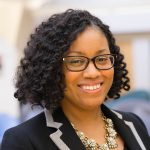 Faculty Associate, Research Center for Group Dynamics, ISR;
Assistant Professor of Social Work, School of Social Work
More about Elizabeth Birr Moje
Enrique Neblett, Jr.
 Faculty Associate, Research Center for Group Dynamics, ISR;
Professor, Health Behavior & Health Education; Faculty Co-Lead for Diversity, Equity, and Inclusion; Associate Director, Detroit Community-Academic Urban Research Center
More about Enrique Neblett, Jr.
Enrique W. Neblett, Jr. is a professor of health behavior and health education, faculty co-lead for Diversity Equity, and Inclusion, and associate director of the Detroit Community-Academic Urban Research Center. From 2008 – 2019, he was a professor of psychology and neuroscience at the University of North Carolina at Chapel Hill.
Dr. Neblett is one of the leading U.S. scholars in the area of racism and health, with a particular focus on understanding how racism-related stress influences the mental and physical health of African American young people. Through a research program that integrates psychology, biology, developmental and family science, and public health, his scholarship has added to the body of evidence that: 1) racism undermines the health and well-being of African American adolescents and young adults; and 2) Black youth’s beliefs about the significance and meaning of race, as well as family messages about race, can protect youth from the psychological and physical harm associated with exposure to racial discrimination. Using longitudinal and psychophysiological methods, Dr. Neblett and his collaborators have examined the mechanisms by which racial discrimination, internalized racism, and impostor feelings can affect health. This work also includes investigations of the interplay between youth’s sociocultural strengths and biological processes to understand the pathways by which youth are more vulnerable to, or protected against, the negative health effects of racism. In Dr. Neblett’s newest line of research, he conducts community-based participatory research with an eye toward developing and implementing interventions, programs, and policies to address the health consequences of structural racism and promote health equity.
Dr. Neblett’s research has been funded by the National Institutes of Health, the National Science Foundation, the William T. Grant Foundation, and the Robert Wood Johnson Foundation. He served a four-year term on the Society for Research on Adolescence Executive Council (2018-2022), and in 2018, was appointed Director of Diversity Initiatives in the Department of Psychology and Neuroscience at UNC. Dr. Neblett serves as an associate editor for Cultural Diversity & Ethnic Minority Psychology and for Developmental Psychology. He was the Program Co-Chair for the 2021 American Psychological Association Society for the Psychological Study of Race, Ethnicity and Culture (Division 45) Biennial Conference and Chair of the 2013 National Black Graduate Conference in Psychology.
In 2022, Dr. Neblett was selected as a recipient of the Society for Clinical Child and Adolescent Psychology Distinguished Career Award, and in 2021, he was named the inaugural recipient of the National Institute of Mental Health James Jackson Memorial Award. Dr. Neblett has also received several teaching and mentoring awards including recognition as Mentor of the Year by the Black Caucus of the Society for Research in Child Development (2019), the Tanner Award for Excellence in Undergraduate Teaching, the Faculty Award for Excellence in Doctoral Mentoring (2017), and the Chapman Family Teaching Award (2014). From 2006 – 2008, Dr. Neblett was a National Science Foundation Postdoctoral Research Fellow.
Dr. Neblett earned his Sc.B. from Brown University and his M.S. from the Pennsylvania State University. He earned his Ph.D. in Psychology from the University of Michigan in 2006 and completed postdoctoral training at Howard University in Psychology and Cardiovascular Psychophysiology.
Karen Nielsen
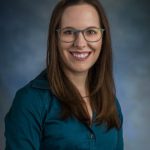 Adjunct Research Assistant Professor, Research Center for Group Dynamics, ISR
More about Karen Nielsen
Dr. Nielsen earned her BA in Mathematics and Psychology at the University of Oklahoma, and her MA and PhD in Statistics and the University of Michigan. Prior to joining Georgia State, Dr. Nielsen completed her postdoctoral training at the Institute for Social Research at the University of Michigan, where she worked with the BioSocial Methods Collaborative to develop methods for the analysis of multimodal data, such as time-series physiological measures and self-report data.
In addition to her methodological development work, Dr. Nielsen enjoys interdisciplinary collaborations across a variety of disciplines including psychology, gerontology, communication, kinesiology, and public health.
Daphna Oyserman
 Adjunct Research Professor, Research Center for Group Dynamics, ISR
More about Dapha Oyserman
Dr. Oyserman received a PhD in psychology and social work from the University of Michigan (1987) and served on the faculty of The Hebrew University, Jerusalem before returning to the University of Michigan, where she last held appointments as the Edwin J.Thomas Collegiate Professor of Social Work, Professor of Psychology, and Research Professor in the Institute for Social Research. She is the recipient of a W. T. Grant Faculty Scholar Award, a Humboldt Scientific Contribution Prize of the German Alexander von Humboldt Foundation, and a Fellow of the American Psychological Association, Association for Psychological Science, Society for Personality and Social Psychology, and Society for Experimental Social Psychology.
Louis A. Penner
 Adjunct Research Scientist, Research Center for Group Dynamics, ISR;
Adjunct Research Scientist, LSA;
Senior Scientist, Communication and Behavior Oncology Program, Karmanos Cancer Institute, Wayne State
More about Louis A. Penner
Kaitlin Raimi
 Faculty Associate, RCGD, ISR
Assistant Professor of Pubic Policy; Adjunct Assistant Professor of Psychology, University of Michigan
More about Kaitlin Raimi
Deborah Robinson
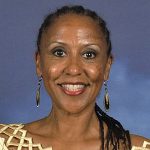 Research Investigator, RCGD, ISR
More about Deborah Robinson
Jeffrey Sanchez-Burks
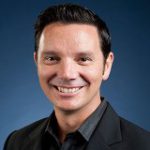 Faculty Associate, Research Center for Group Dynamics, ISR;
Professor of Organizational Behavior and Human Resource Management, Stephen M Ross School of Business
More about Jeffrey Sanchez-Burks
Website: Jeffrey Sanchez-Burks
Denise Sekaquaptewa
 Faculty Associate, Research Center for Group Dynamics, ISR;
Professor of Psychology, Professor of Women’s Studies, Associate Chair of Psychology, LSA
More about Denise Sekaquaptewa
Website: Denise Sekaquaptewa
Priti Shah
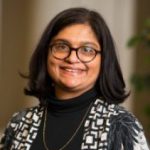 Faculty Associate, RCGD, ISR
Professor of Cognition & Cognitive Neuroscience and Educational Psychology, University of Michigan
More about Priti Shah
- The comprehension of visual displays used in a wide variety of contexts, including elementary science and math education and scientific research
- Understanding two basic mechanisms that support complex cognition, working memory and executive functions, and the degree to which they can be improved.
Jacqui Smith
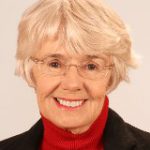 Research Professor, Research Center for Group Dynamics, ISR;
Research Professor, Survey Research Center, ISR;
Professor of Psychology, LSA
More about Jacqui Smith
Beverly I. Strassmann
 Faculty Associate, Research Center for Group Dynamics, ISR;
Professor of Anthropology, LSA
More about Beverly I. Strassmann
Jan Van den Bulck
 Faculty Associate, RCGD, ISR
Professor, Department of Communication Studies, University of Michigan
More about Jan Van den Bulck
As a social scientist Professor Van den Bulck is interested in how people learn from mediated narratives. From about the age of 11 most people realize that a mediated story is not real, and yet our perceptions of medical risks, crime, or procedural habits sometimes appear to reflect the mediated (often fictitious) image of reality.
As an epidemiologist, Professor Van den Bulck is interested in the media as a factor in health. He has had a particular interest in the relationship between media use and sleep. The hardware, content, and use of the media evolve so fast, that this is a constantly developing and changing topic.
Daphne C. Watkins
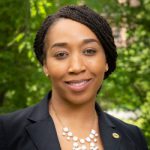 Faculty Associate, PRBA, Research Center for Group Dynamics, ISR;
Director, Vivian A. and James L. Curtis Center for Health Equity Research and Training,
Professor of Social Work, School of Social Work
More about Daphne C. Watkins
To date, her research has focused on understanding the social determinants of health that explain within group differences among black men; developing evidence-based strategies to improve the physical and mental health of black men; and increasing knowledge about the intersection of culture, ethnicity, age, and gender.
Prior to joining the School of Social Work, Professor Watkins completed a NIMH-funded postdoctoral fellowship at the Institute for Social Research and a NIH career development award in the Department of Obstetrics and Gynecology, both at the University of Michigan.
Lisa Wexler

More about Lisa Wexler
Working with rural Indigenous communities, Dr. Lisa Wexler’s participatory and applied research program aims to prevent suicide and promote wellness from multiple levels. Focused on strengthening local systems of support, PC CARES (Promoting Community Conversations About Research to End Suicide) (R01MH112458) brings together community members and service providers to learn from scientific research so they can strategically apply it to their lives. She co-leads the statewide Alaska Native Collaborative Hub for Research on Resilience (ANCHRR) with Drs. Stacy Rasmus and Jim Allen (U19MH113138). ANCHRR identifies and describes the community level protective factors in 64 Alaska Native communities. The project strives to share and amplify these strengths across Alaska through annual Collaborative Hub meetings and on-going outreach and capacity building efforts. Additionally, Dr. Wexler is working with Dr. Rivkin in rural schools to incorporate Elder teachings and youth digital storytelling in the high school curriculum. Her school-based work also includes youth-led educational sessions focused on wellness, prevention and anti-bullying. Lastly, her current projects include an innovative, universal, family-focused screening in primary care clinics to restrict access to firearms.
Research Foci
- Translating mental health research to community stakeholders and service providers to spark strategic, self-determined action
- Describing and amplifying sources of strength and resilience in rural Indigenous communities that promote youth wellness
- Upstream Alaska Native youth suicide prevention
Carolyn Yoon
 Faculty Associate, Research Center for Group Dynamics, ISR;
Professor of Marketing, Stephen M. Ross School of Business
More about Carolyn Yoon
- age differences in use of processing strategies
- cross-cultural differences in cognition and decision making
- influence of implicit memory on judgments
Yoon teaches courses in marketing management in the business school.
Cristine Agresta
 Adjunct Faculty Associate, RCGD, ISR
More about Cristine Agresta
Riana E. Anderson
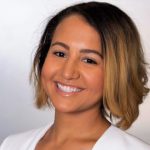 Faculty Associate, RCGD, ISR;
Assistant Professor of Health Behavior and Health Education, School of Public Health
More about Riana E. Anderson
Riana uses mixed methods in clinical interventions to study racial discrimination and socialization in Black families to reduce racial stress and trauma and improve psychological well-being and family functioning. She investigates how protective familial mechanisms such as parenting and racial socialization operate in the face of risks linked to poverty, discrimination, and residential environment. She is particularly interested in how these factors predict familial functioning and subsequent child psychosocial outcomes, especially when enrolled in family-based interventions. As such, Riana developed a five-session intervention entitled EMBRace (Engaging, Managing, and Bonding through Race) to alleviate racial stress and trauma in parents and adolescents in order to facilitate healthy parent-child relationships, parent and adolescent psychological well-being, and healthy coping strategies.
Current Work:
Dr. Anderson developed and directs the Engaging, Managing, and Bonding through Race (EMBRace) intervention. EMBRace is a 5-session family-based racial socialization (RS) and racial stress and trauma (RST) management intervention designed to reduce parent and adolescent RST and improve familial psychological and physiological well-being and adolescent academic engagement. EMBRace involves skill development regarding content (RS: cultural pride, preparation for bias, promotion of distrust, and colorblindness/egalitarianism/silence about race), process (RS knowledge, stress management, and coping) and delivery (affection, protection, correction, and connection). EMBRace is the first identified RS intervention for adolescents and their parents that uses culturally-specific theories and evidence-based practices to engage in racial encounters and reduce RST.
EMBRace utilizes narrative-sharing, individual and dyadic clinical work, and culturally-relevant experiences to help families engage, manage, and bond through the difficult topic of race in America.
Paul Boxer
 Adjunct Faculty Associate, ISR
Professor of Psychology, Rutgers University
More about Paul Boxer
R. Khari Brown
 Adjunct Faculty Associate, RCGD, ISR;
More about R. Khari Brown
Brad J. Bushman
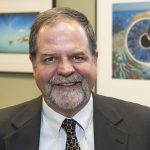 Adjunct Faculty Associate, Research Center for Group Dynamics, ISR;
More about Brad J. Bushman
Nick Camp
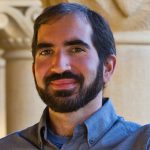 Faculty Associate, RCGD, ISR;
Assistant Professor of Organizational Studies,
Assistant Professor of Psychology, LSA
More about Nick Camp
Prior to coming to Michigan, Nick was a postdoctoral scholar at Stanford University, where he received his PhD in Social Psychology in 2018. He graduated from Columbia University with a B.A. in Psychology in 2009.
Linda Chatters
 Faculty Associate, RCGD, ISR;
Paula Allen-Meares Collegiate Professor of Social Work, SSW;
Professor of Health Behavior and Health Education, SPH
More about Linda Chatters
David Chock
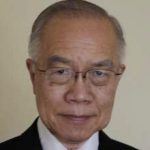 Adjunct Faculty Associate, RCGD, ISR
Visiting Research Scientist, UMTRI
More about David Chock
- The modeling of the transport and transformation of pollutants in the atmosphere, air quality data analysis and the statistical properties of the US ozone air quality standard
- Environmental epidemiology studying the impact of air pollutants on morbidity and mortality
- Climate science and sustainability, including the role of the transportation sector in CO2 stabilization and well-to-wheels analysis of fuels and vehicle technology
- Consumers’ travel mode choice in the presence of new technology and infrastructure
Julia Lee Cunningham
 Faculty Associate, RCGD, ISR
Associate Professor, Management and Organizations, Ross School of Business
[email protected]
More about Julia Lee Cunningham
Julia Lee Cunningham is an Associate Professor of Management and Organizations at the Stephen M. Ross School of Business, University of Michigan.
Julia’s research focuses on the psychology of narratives, mindsets, and behavioral ethics, with a particular interest in understanding the ways in which narratives shape objective reality and how they can be leveraged to promote thriving in the workplace. Her research has been published in numerous leading academic journals in the fields of management and psychology, and has been featured in a variety of media outlets including The New York Times, The Wall Street Journal, Scientific American, National Geographic Magazine, The Financial Times, The Washington Post, NPR, and Harvard Business Review.
Julia enjoys developing highly immersive and experiential pedagogy for students and executives, and brings cutting-edge academic research to the classroom and the organizations she works with. She teaches a negotiation course to MBA students and lectures in several executive education programs on leadership development, managing global teams, negotiation, and decision-making at Michigan Ross and Harvard. In 2020, she was recognized as one of the Top 50 Undergraduate Business Professors by Poets and Quants.
In addition to her work in the business school, Julia is dedicated to applying her expertise in behavioral science to address pressing societal challenges. She has extensive experience advising corporations, start-ups, non-profit organizations, and government agencies, and currently serves as a Governing Board Member of the Behavioral Science & Policy Association. Previously, she was a Lab Fellow in Institutional Corruption at the Edmond J. Safra Center for Ethics, and a Research Fellow in Women and Public Policy Program at Harvard University. In 2018, she was selected as a Fellow at National Geographic Society.
Website: https://julialeecunningham.com/
Pamela Davis-Kean
 Research Professor, RCGD, ISR;
Research Professor, SRC, ISR;
Faculty Associate, ICPSR, ISR;
Professor of Psychology, LSA;
Executive Director, University of Michigan Office of Research
More about Pamela Davis-Kean
Website: Population, Neurodevelopment and Genetics Program (PNG)
Kristin Drogos
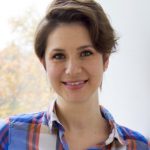 Research Investigator, RCGD, ISR;
Lecturer I in Communication and Media, LSA
More about Kristin Drogos
Dr. Drogos is an award-winning writer and instructor and has taught courses on children and media, media psychology, social networks, and emerging media.
Eric Dubow
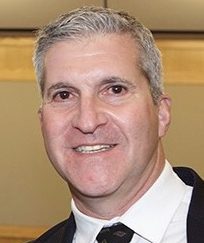
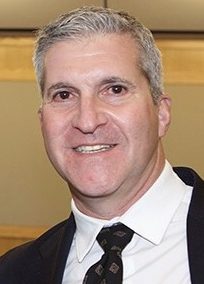 Research Professor, RCGD, ISR;
More about Eric Dubow
Allison Earl
 Faculty Associate, Research Center for Group Dynamics, ISR;
Assistant Professor of Psychology, LSA
More about Allison Earl
Katrina R. Ellis
 Faculty Associate, Research Center for Group Dynamics, ISR;
Assistant Professor of Social Work
More about Katrina R. Ellis
Katrina R. Ellis is an assistant professor at the School of Social Work. Her research interests include family health interventions, cancer survivorship, racial and ethnic disparities in health, and family management of chronic health conditions. An overarching goal of her research is to support the health of families facing multiple, coexisting illnesses, with a specific focus on African Americans. Dr. Ellis employs a range of qualitative and quantitative methodologies in her work with families, clinicians and community groups. Her published research includes examinations of the influence of co-occurring illnesses on the psychosocial and behavioral health and well-being of cancer survivors and their family caregivers using quantitative dyadic data analysis techniques. She has also published research investigating psychosocial factors that influence the health behaviors and well-being of African Americans. Dr. Ellis’ future program of research includes the design and implementation of interventions to support the quality of life and healthy lifestyle and coping behaviors of cancer survivors, caregivers and family members.
She completed a postdoctoral fellowship with the Cancer Health Disparities Training Program (Department of Health Behavior, UNC Gillings School of Global Public Health), the Center for Health Equity Research (Department of Social Medicine, School of Medicine) and Carolina Postdoctoral Program for Faculty Diversity at the University of North Carolina at Chapel Hill. During her time as a postdoctoral fellow, she worked with community-based participatory research projects in Greensboro and Rocky Mount, North Carolina focused on reducing the disproportionate burden of cancer morbidity and mortality and cardiovascular disease risk among African Americans and on digital health projects to support the wellbeing of peer supporters and families after a cancer diagnosis. Dr. Ellis is also a former Peace Corps Volunteer, having served as a Health Promotion Officer with the Ministry of Health in Fiji.
Stephanie Fryberg
 Faculty Associate, Research Center for Group Dynamics, ISR;
University Diversity and Social Transformation Professor, Professor of Psychology, LSA
More about Stephanie Fryberg
Dr. Fryberg provided testimony to the U.S. Senate Committee on Indian Affairs regarding the impact of racist stereotypes on Indigenous people, served as an expert witness in the Keepseagle v. USDA class action lawsuit, and consults with National Tribal TANF (Temporary Assistance for Needy Families). She also received the Society for the Psychological Study of Social Issues Louise Kidder Early Career Award, the University of Arizona Five Star Faculty Award, and in 2011 was inducted into the Multicultural Alumni Hall of Fame at Stanford University.
Richard Gonzalez
 Center Director, Research Center for Group Dynamics, ISR;
Director, BioSocial Methods Collaborative, RCGD, ISR;
Amos N Tversky Collegiate Professor of Psychology and Statistics, LSA;
Professor of Marketing, Stephen M Ross School of Business;
Professor of Integrative Systems and Design, College of Engineering;
Research Professor, Center for Human Growth & Development
More about Richard Gonzalez
Website: The Gonzo Lab
Lindy Greer
 Faculty Associate, Research Center for Group Dynamics, ISR;
Professor for Management and Organizations, Ross School of Business
More about Lindy Greer
Lindred (Lindy) Greer is a Professor for Management & Organizations at Ross and the Faculty Director of the Sanger Leadership Center. Her research focuses on how to lead high-performing teams, with specific interests in leadership skills in conflict management, diversity and inclusion, power-flexing, and the communication of emotions. Lindy has published in management and psychology research outlets such as Academy of Management Journal, Organization Science, Journal of Applied Psychology, Science, and Proceedings of the National Academy of Sciences, among others. She has received awards for her research from the Academy of Management and American Psychological Association. She is Deputy Editor at Organization Science, has served as an Associate/Senior Editor at the Academy of Management Journal and Organization Science, on the boards of six of the top management and psychology journals, and on the boards of professional associations such as the International Association of Conflict Management and the Conflict Management Division of the Academy of Management.
Lindy received her B.S. from the Wharton School of Business at the University of Pennsylvania, and her Ph.D. in social and organizational psychology from Leiden University in the Netherlands. She joined the team at Ross in 2019.
James Hilton
 Faculty Associate, Research Center for Group Dynamics, ISR;
Arthur F Thurnau Professor, Vice Provost for Academic Innovation, Office of the Provost and Executive Vice President for Academic Affairs;
Dean of Libraries, University Library;
Professor of Information, School of Information
More about James Hilton
Prior to his current appointment, Dr. Hilton served as Vice President and Chief Information Officer at the University of Virginia from 2006 until 2013. From 2001 to 2006 he was the Associate Provost for Academic Information and Instructional Technology Affairs at the University of Michigan, and served as the Interim University Librarian for one year in 2005. He was a member of the faculty at the University of Michigan in the Psychology Department where he served as the Chair of Undergraduate Studies between 1991 and 2000. He is a three-time recipient of the LS&A Excellence in Education award, an Arthur F. Thurnau Professor, and recipient of the Class of 1923 Memorial Teaching Award. He has published extensively in the areas of information technology policy, person perception, stereotypes, and the psychology of suspicion.
Dr. Hilton received a B.A. in Psychology from the University of Texas at Austin in 1981, and a Ph.D. in Social Psychology from Princeton University in 1985.
L. Rowell Huesmann
 Research Professor, Research Center for Group Dynamics, ISR;
Amos Tversky Collegiate Professor of Communication Studies and Psychology, LSA
More about L. Rowell Huesmann
Huesmann’s research focuses on understanding the psychological foundations of aggressive behavior and in particular on understanding how the observations of others behaving violently influences the development of a youth’s aggressive and violent behavior and produces a contagion of violence. He specializes in conducting longitudinal studies of youth growing up over many years including the well-known Columbia County Longitudinal Study, the Oak Park Longitudinal Study, the Cross-National Television Study, the Metropolitan Area Child Study in Chicago, and his current Exposure to Violence Study for Palestinian and Israeli Youth. Over the past 55 years, Huesmann has authored over 100 widely cited scientific articles and books including Growing Up To Be Violent (1977), Television and the Aggressive Child (1986), and Aggressive Behavior (1994). He was Director of RCGD from 2006 to 2012 and was Editor of the international journal Aggressive Behavior from 2004 to 2012. He was the 2005 recipient of the American Psychological Association’s award for Distinguished Lifetime Contributions to Media Psychology, the 2014 recipient of the International Society for Research on Aggression’s award for Distinguished Lifetime Contributions to Aggression Research. In 20110 he was elected a member of the USA National Academy of Science’s Institute of Medicine’s Forum on Global Violence Prevention. He is a past President of the International Society for Research on Aggression and a life member of Clare Hall College, Cambridge University, UK.
Website: Rowell Huesmann Website
Viktoryia Kalesnikava
 Research Investigator, RCGD, ISR
More about Viktoryia Kalesnikava
Viktoryia Kalesnikava investigates the pathways toward– and disparities around– healthy aging. She uses mixed methods to examine the joint effects of mental and physical health, and social and built environment on the early onset of chronic diseases and neurocognitive aging. Other research investigates factors related to late-life suicide, using nationally represented survey data. As part of GREMAP, we use machine learning with NVDRS data to examine suicidality around long-term care. Other collaborations include data collection for the study on chronic stress and diabetes, evaluation of YMCA diabetes initiatives, and understanding how debate participation influences student achievement.
Shinobu Kitayama
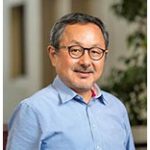 Research Professor, Research Center for Group Dynamics, ISR;
Robert B Zajonc Collegiate Professor of Psychology, Professor of Psychology, LSA
More about Shinobu Kitayama
Ioulia Kovelman
 Faculty Associate, RCGD, ISR
Associate Professor of Psychology, LSA, University of Michigan
More about Ioulia Kovelman
Shawna J. Lee
 Adjunct Faculty Associate, Research Center for Group Dynamics, ISR;
Associate Professor, School of Social Work
More about Shawna J. Lee
Currently, in a project funded by the United States Air Force, Dr. Lee is developing and implementing a technology-based parenting intervention for men in military families. The main goal of this intervention is to promote fathers’ positive engagement with their new babies through the deployment and reintegration cycle. Professor Lee completed a NIMH-funded predoctoral fellowship at the University of Michigan and was a postdoctoral research scholar at Columbia University. Her research examining fathers and risk for child maltreatment was funded by the Centers for Disease Control and Prevention.
Kevin F. Miller
 Faculty Associate, Research Center for Group Dynamics, ISR;
Professor of Education, School of Education;
Professor of Psychology, LSA
More about Kevin F. Miller
Elizabeth Birr Moje
 Faculty Associate, Research Center for Group Dynamics, ISR;
George Herbert Mead Collegiate Professor of Education, Arthur F Thurnau Professor, Professor of Education, and Dean, School of Education
More about Elizabeth Birr Moje
Website: Elizabeth Birr Moje
Harold Neighbors
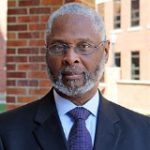 Emeritus Research Professor, Research Center for Group Dynamics, ISR;
Professor Emeritus of Health Behavior and Health Education, School of Public Health
More about Harold Neighbors
Website: Harold W. Neighbors, Ph.D.
Richard E. Nisbett
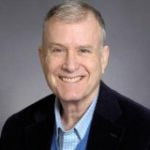 Research Professor Emeritus, Research Center for Group Dynamics, ISR;
Theodore M Newcomb Distinguished University Professor Emeritus of Psychology, LSA;
Professor Emeritus of Psychology, LSA
More about Richard E. Nisbett
Website: Richard Nisbett
Sela Panapasa
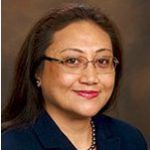 Associate Research Scientist, Research Center for Group Dynamics, ISR
More about Sela Panapasa
Suzanne Perkins
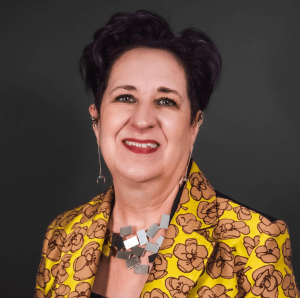 Research Investigator, Research Center for Group Dynamics, ISR
More about Suzanne Perkins
Suzanne Perkins is a lecturer in the Department of Psychology and a Research Investigator at the Institute for Social Research Research Center for Group Dynamics. Her research focuses on how child maltreatment influences cognitive processing development. Working in developmental psychology as well as cognition and cognitive neuroscience, her work has explored poverty and language development; effects of exposure to intimate partner violence (IPV) on child adjustment; violence exposure and the development of school-related functioning, and cognitive therapies for PTSD and major depressive disorder. Dr. Perkins is a former special education teacher who has also specialized in executive functioning and stress disorders in youth.
Tam Perry
 Adjunct Faculty Associate, Research Center for Group Dynamics, ISR
More about Tam Perry
Elizabeth Roberts
 Faculty Associate, RCGD, ISR
Associate Professor, Anthropology, University of Michigan
More about Elizabeth Roberts
Muniba Saleem
 Adjunct Faculty Associate, Research Center for Group Dynamics, ISR;
Associate Professor of Communication, UC Santa Barbara
More about Muniba Saleem
Dr. Saleem’s research explores the role of media in interpersonal and intergroup conflicts using social science quantitative methods. In the domain of intergroup conflict, Dr. Saleem has explored the role of media stereotypes in influencing attitudes towards and public policy decisions targeting Arabs and Muslims. Current work in this area explores how media influences immigrants’ ethnic and national identities, acculturation, trust and interest in American government, and relations with majority members. Dr. Saleem is examining the influence of media stereotypes and discrimination on Muslim American adolescents’ social identities using a longitudinal design. Finally, Dr. Saleem’s research has examined how media violence can influence aggression and reduce prosocial behaviors. Dr. Saleem’s work has been published in Personality and Social Psychology Bulletin, Child Development, Aggressive Behavior, Journal of Communication, and Communication Research.
Eleanor Seaton
 Faculty Associate, Research Center for Group Dynamics, ISR;
Associate Professor in the T. Denny Sanford School of Social and Family Dynamics at Arizona State University
More about Eleanor Seaton
Dr. Eleanor K. Seaton is a developmental psychologist and her research is guided by four areas of inquiry that explore race among Black youth. The first area explores racial discrimination experiences and includes measurement, mediators and moderators of racial discrimination experiences. The second area explores the attitudes and feelings that African American youth ascribe to being Black, which is known as racial identity. The third area examines the complex relation between racial discrimination and racial identity among Black youth. A new area of inquiry assesses the interaction of racial discrimination, racial identity and pubertal development among Black children and adolescents. An extension of this area includes a focus on how racial discrimination “gets under the skin” with examination of the relation between racial discrimination experiences and physiological indicators such as cortisol, alpha amylase and C-reactive protein. Dr. Seaton uses quantitative and qualitative approaches embedded in a variety of methodological designs (e.g., daily diary, survey, qualitative) and analytical techniques (e.g., latent class, hierarchical linear modeling). Dr. Seaton’s ultimate goal is to understand how Black youth survive and thrive despite the pervasiveness of racism in the broader society.
For more information, see Dr. Seaton’s faculty website.
Colleen Seifert
 Faculty Associate, Research Center for Group Dynamics, ISR;
Arthur F Thurnau Professor, Professor of Psychology, LSA
More about Colleen Seifert
Robert Sellers
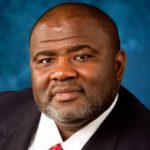 Faculty Associate, Research Center for Group Dynamics, ISR;
Professor of Education, School of Education
Charles D Moody Collegiate Professor of Psychology, Professor of Psychology, LSA;
Vice Provost for Equity, Inclusion and Chief Diversity Officer, Office of the Provost and Executive Vice President for Academic Affairs
More about Robert Sellers
Atiyya Shaw
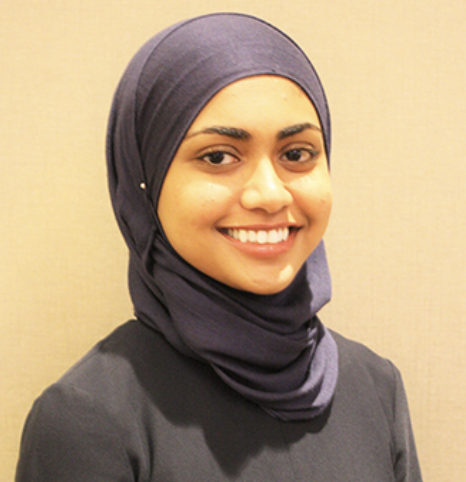 Faculty Associate, RCGD, ISR;
Assistant Professor, Civil & Environmental Engineering
More about Atiyya Shaw
Attiya Shaw’s research is focused on data and methods that prioritize user-centered outcomes in transport engineering and urban planning. She is motivated by a desire to better understand transportation system users, and aim to achieve this through improved measurement of behavior and performance. Broadly, her research expertise and interests center around: user-centered data stream integration and utilization, transportation survey design and analysis, behavioral modeling, psychometrics, and human factors engineering. She is also passionate about educational outreach and mentorship.
Roseanna Sommers
 Director, Program for Research on Black Americans, Faculty Associate, RCGD, ISR;
Assistant Professor of Law, University of Michigan
More about Roseanna Sommers
Professor Roseanna Sommers’s teaching and research interests revolve around the many ways in which the law misunderstands people and people misunderstand the law.
Sommers’s research examines people’s intuitions about legal concepts such as consent, autonomy, and moral responsibility. Her work is part of a growing interdisciplinary field known as experimental jurisprudence, which borrows empirical techniques from the social sciences to clarify core concepts in the law.
Her work asks questions like: How do people determine whether someone is acting voluntarily? How do we think about interferences to autonomy, such as coercion, deception, incapacity, and manipulation? Are our legal doctrines defensible in light of empirical insights from the social and cognitive sciences? Her research has been published in peer-reviewed journals such as Science, Proceedings of the National Academy of Sciences, and Psychological Science, as well as in law reviews such as the Yale Law Journal and the Stanford Law Review. She is currently co-leading a study funded by the National Science Foundation on the psychology of compliance.
Prior to joining the Michigan Law faculty, Prof. Sommers taught at the University of Chicago Law School as a Harry A. Bigelow Teaching Fellow. She is the founder and director of the Psychology and Law Studies (PALS) Lab, which conducts original research at the intersection of psychology and law. She also co-organizes the Chicago/Michigan PALS speaker series, a virtual workshop hosted in collaboration with the University of Chicago Law School.
Robert J. Taylor
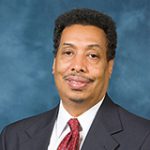 Director, Program for Research on Black Americans, Faculty Associate, RCGD, ISR;
Harold R Johnson and Sheila Feld Collegiate Professor of Social Work, School of Social Work
More about Robert J. Taylor
Brenda Volling
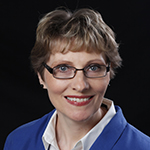 Faculty Associate, RCGD, ISR
Professor of Psychology, University of Michigan
More about Brenda Volling
Daniel Weissman
 Faculty Associate, RCGD, ISR
Associate Professor, Cognition & Perception, University of Michigan
More about Daniel Weissman
Oscar Ybarra
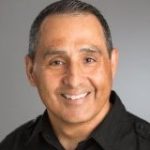 Faculty Associate, Research Center for Group Dynamics, ISR;
Professor of Management and Organizations, Stephen M Ross School of Business;
Professor of Psychology, LSA
More about Oscar Ybarra
Research programs fall along four lines, and the common denominator is that the social relates strongly to the cognitive. I study how people understand and make decisions about the social aspects of the world versus those related to tasks and work, how people make decisions about others and the cognitive biases that may preclude creating social connections, how social interaction and relationships support and enhance cognitive abilities and performance, and how the cognitively stimulating nature of social interaction is affected by trust, asynchrony, and inauthenticity in ones approach to others.
Robert Zucker
 Faculty Faculty Associate, Research Center for Group Dynamics, ISR;
Professor of Psychiatry, Medical School;
Professor of Psychology, LSA